All Blog Tags
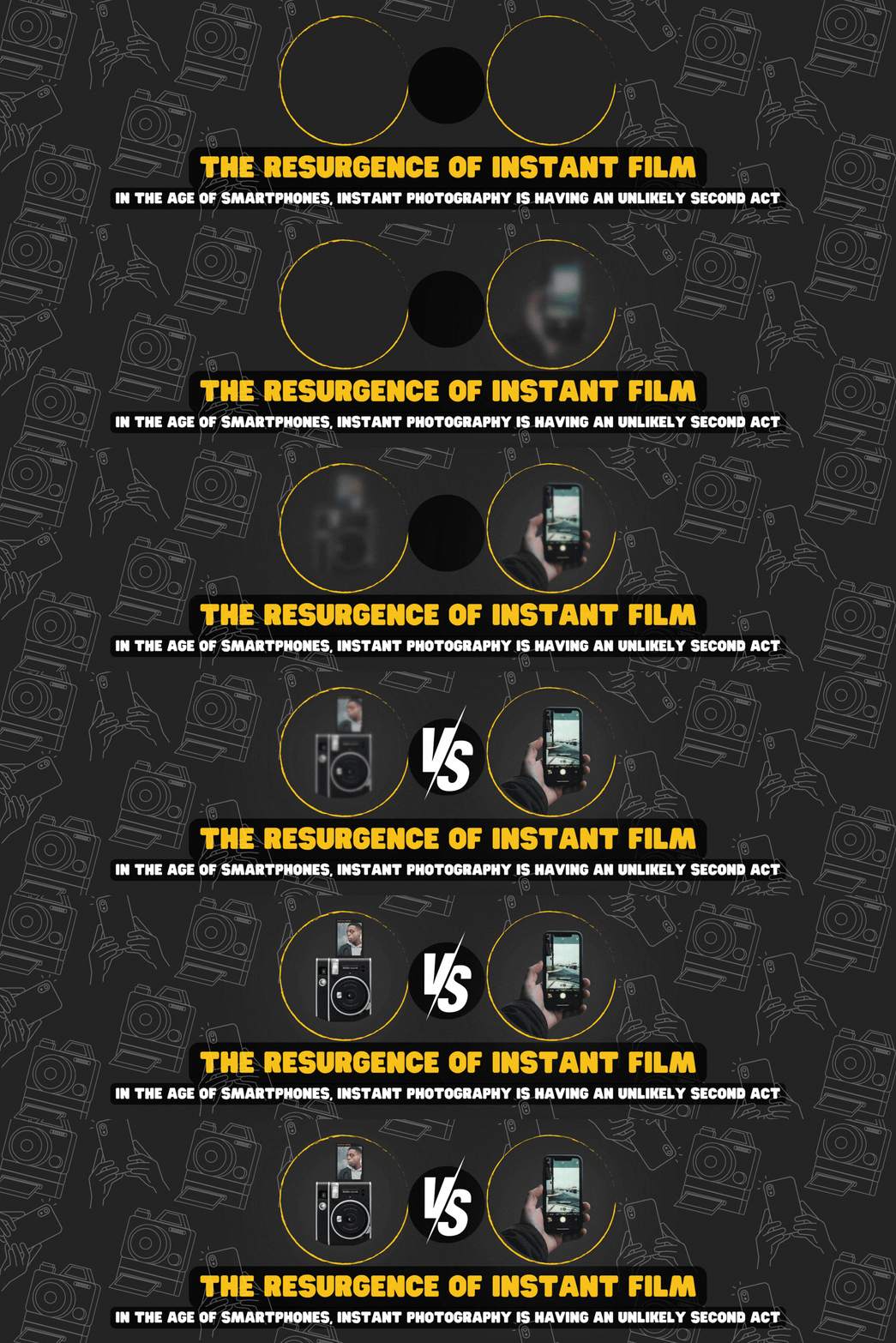
In the Age of Smartphones, Instant Photography Is Having an Unlikely Second Act
In the last two decades, instant film looked like it was on its way out for good. Digital cameras had taken over, smartphones were becoming everyone’s default camera, and brands like Polaroid felt more like cultural memories than active parts of photography. Instant cameras were mostly seen as novelty items — fun for parties, maybe, but not something people were genuinely investing in again.
Now, that’s changed completely.
Instant cameras are everywhere again: at weddings, birthday parties, concerts, dorm rooms, and family gatherings. Fujifilm’s Instax line has become especially popular with younger users, while Polaroid has re-established itself as both a photography brand and a lifestyle aesthetic. What’s interesting is that this comeback happened during a time when phone cameras became incredibly advanced. Technically speaking, most people already have an excellent camera in their pocket.
So why are people returning to instant film?
The answer has less to do with image quality and more to do with how photography feels today.
Instant Film Nearly Disappeared
The decline of instant photography happened quickly in the early 2000s. As digital cameras improved, film photography in general started losing ground. Polaroid filed for bankruptcy in 2001 and again in 2008, and for a while it genuinely seemed like instant film would disappear entirely.
Fujifilm quietly kept the format alive through its Instax cameras, but outside certain markets they were often viewed as novelty products rather than serious photography tools. Compared to digital cameras (and later smartphones) instant film seemed expensive, inconvenient, and outdated.
At the time, photography culture was focused on speed and perfection. Digital photos could be taken endlessly, edited instantly, and shared online within seconds. Instant film didn’t really fit into that future.
But culture shifted in an unexpected direction.
The Analogue Revival
The return of instant film happened alongside a broader interest in analogue formats during the 2010s. Vinyl records became popular again. Film cameras started appearing back in fashion and photography circles. Physical media in general began to feel more valuable in an increasingly digital world.
Photography followed the same pattern.
As smartphone cameras improved, people started taking more photos than ever before, but many of those photos became disposable in a different way. Thousands of images sat in camera rolls without ever being printed or revisited. Photography became constant, but also less tangible.
Social media also played a surprisingly large role in the revival. Platforms like Instagram and TikTok helped popularize film aesthetics: softer colours, grain, imperfect lighting, and retro-looking images. Ironically, digital platforms helped create demand for physical photographs.
Around the same time, both major instant film brands expanded aggressively. Fujifilm introduced more Instax formats and hybrid models that combine digital previews with physical prints. Polaroid leaned heavily into its history and the emotional appeal of the classic instant photo. What had once looked outdated started to feel intentional instead.
Why People Are Drawn to Instant Film
The biggest reason instant film has returned is simple: people like having physical photographs again.
A phone photo can easily disappear into thousands of other images. An instant print usually doesn’t. It gets taped to a wall, placed in a wallet, stuck on a fridge, or handed directly to someone. The photo exists as an object, not just a file.
That physical aspect matters more than it used to.
There’s also something appealing about the limitations of instant film. Every shot costs money, which changes the way people take photos. Instead of taking dozens of versions of the same image, people tend to pause and think more carefully before pressing the shutter.
The imperfections are part of the appeal too. Instant film can produce unusual colours, uneven exposure, or slightly off-centre framing. In most digital photography, those things would be considered mistakes. With instant film, they often make the image feel more personal and less processed.
Modern smartphone photography is designed to optimize everything automatically. Instant film feels less controlled, and for many people that unpredictability is refreshing.
The process itself also slows photography down slightly. Waiting for an image to develop creates a small moment of anticipation that doesn’t exist with digital photos anymore. It turns taking a picture into more of an experience.
Who’s Buying Instant Cameras?
One of the more interesting parts of the instant film resurgence is how broad the audience is.
For Gen Z users, instant photography often isn’t nostalgic at all. Many younger buyers grew up entirely with smartphones and digital cameras, so instant film feels new rather than old-fashioned. The physical print stands out because it’s different from the way most photos exist today.
At the same time, older millennials and Gen X buyers are reconnecting with something familiar. Instant cameras remind many people of family photos, school events, or childhood vacations.
Instant film has also become popular at events. Weddings, parties, graduations, and baby showers frequently use instant cameras as a way to create physical keepsakes on the spot. Guests can leave photos in guest books or take them home immediately.
Artists and creatives continue to use instant film intentionally as well. For some photographers, the aesthetic qualities of Polaroid or Instax film are part of the artistic process rather than just a novelty effect.
Parents are another growing audience. Instant cameras offer a simple way to document everyday family moments without needing to organize formal photoshoots or sort through huge digital archives afterward.
Instax and Polaroid Today
The instant film market today is largely shaped by two brands: Fujifilm Instax and Polaroid.
Instax has become the more accessible option for many users. The cameras are generally affordable, the film is relatively easy to find, and the company offers several print formats, including Instax Mini, Instax Wide, and Instax Square sizes. Fujifilm has also introduced hybrid instant cameras that let users preview images digitally before printing them.
Polaroid occupies a slightly different space. The brand still carries strong cultural recognition, and many users are drawn to its larger prints and classic white-border look. Polaroid film tends to be less predictable and more expensive than Instax, but for some photographers that unpredictability is exactly what makes it appealing.
Importantly, both formats now have active communities around them. Instant photography is no longer treated like a dying niche; it has become an established part of modern photography culture again.
Instant Film as a Creative Community
Instant photography has also become a creative culture in its own right. On Instagram and TikTok, tags like #instax and #polaroid have accumulated hundreds of millions of posts — which says something interesting: the same digital platforms that might seem to compete with physical photography have actually become its biggest amplifiers. People share their prints online, compare film stocks, and document the process as much as the result.
Off-screen, instant photos have found a natural home in scrapbooking, journaling, and memory-keeping. Prints get decorated, captioned, layered into albums, or displayed in dedicated frames. There's an entire accessories market built around this — from themed sticker packs to display boards designed specifically for instant prints.
Fujifilm and Polaroid have both leaned into this culture with limited-edition camera variants, artist collaborations, and seasonal film releases that turn the format into something collectible. For many users, the camera itself is part of the aesthetic.
Instant Film in the Smartphone Era
The obvious question is why anyone would use instant film when smartphones already take better photos technically.
But instant film isn’t really competing with smartphones. The two formats serve different purposes.
Smartphones are designed for convenience and volume. They document everyday life constantly and efficiently. Instant film works differently. It isolates a moment and turns it into something physical almost immediately.
There’s also a difference between sharing a photo digitally and handing someone an actual print. Physical photographs tend to feel more personal and more permanent.
Interestingly, many newer products now combine both worlds. Hybrid instant cameras and portable instant printers allow users to print smartphone photos directly onto instant film, blending digital convenience with physical output.
That combination reflects what many people seem to want from photography now: not less technology, but more meaningful ways to experience images.
What the Instant Film Trend Says About Photography
The return of instant film reflects a larger cultural shift toward physical and intentional experiences.
In a world where nearly every moment can be photographed endlessly, people are becoming more interested in photos that feel specific and tangible. Instant film introduces limits, imperfections, and physical presence back into photography.
That doesn’t make it better than digital photography. It just offers something different.
The popularity of Instax and Polaroid suggests that photography isn’t only about technical quality anymore — or maybe it never was. People still care about emotion, memory, and the experience surrounding the image itself.
Instant film’s resurgence shows that even in an era dominated by smartphones, there’s still value in slowing down long enough to hold a photograph in your hands.
Never shot instant film before? It's easier to get started than you might think. Come into Annex Photo and we'll walk you through your options — no jargon, no pressure, just good advice from people who actually love this stuff.
Share
Most Recent Posts